Blog
We watched 30 clean-energy installers churn off HubSpot. Here's why
HubSpot wins solar, heat pump and EV installers on the way up - and loses them as soon as the install team starts using it. Five patterns we keep seeing in migration calls.
Discover everything you need to know about qualifying as a PV solar installer, including training time, cost and industry insights.

Felix Rusby
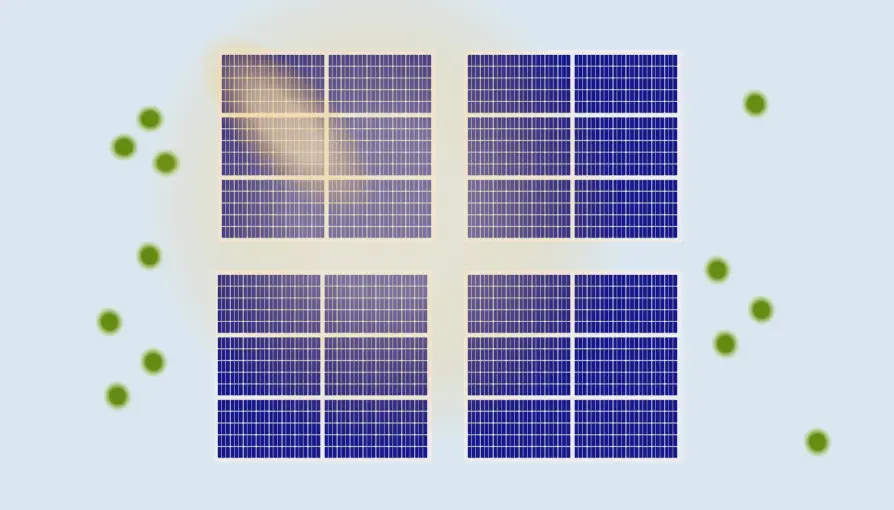
Technically you do not need a qualification to install solar panels - some homeowners even attempt to do it themselves. However, in practice, if you want to operate as a solar installer and find work, you will need to be officially qualified.
Recommended qualifications:
Technically, any person can install solar panels. However, connecting the solar energy supply to the mains electricity network requires a qualified electrician.
In most cases, solar installations are completed by a team of electricians often with the help of a roofer (if the panels are installed on a roof).
The electrical work is only half of it. Every grid-connected system also needs a DNO application, a G98 notification or a G99 application depending on system size, submitted and tracked before the system can be energised. That paperwork is a bigger part of the job than most people expect when they start out.
To work on solar installations you should first qualify as an electrician and then specialise in solar installs. You can either do this by taking a college course or by completing an apprenticeship.
At college, start by gaining your standard electrical qualifications:
If you don't fancy studying at college, an apprenticeship is a great way to learn practical skills while on the job. Typically takes around 2 years to complete and qualifies you as an electrician.
Once you've completed your college training or apprenticeship, consider a specialist solar installation course:
The cost varies depending on your current stage of training.
Starting from scratch: Level 2, 3 & NVQ courses cost £7,000-£9,000, plus £600-£700 for a solar course. Total: £8,000-£10,000.
Already qualified electrician: Solar course only: £600-£700. Your employer may cover costs.
The quickest you could become qualified (completing all courses back-to-back) would be 7 months 3 days. In reality, gaining necessary experience typically takes over a year minimum.
The average salary is £37,912 based on data from Talent, Adzuna, Reed and Totaljobs.
That is the employed figure. If you go on to run your own install business the economics look different, and margin per install matters more than salary. We broke down where the margin actually goes on a solar job if you want the numbers before you make that jump.
Salaries vary by location. For example, electricians tend to earn more in Sheffield than in London on average.
As of May 2023, there were 2,286 qualified PV contractors in UK - a 66% increase from the previous year.
The work is well paid and good value for the time it takes. As a career, it's a good combination of practical work and technical skill which makes it an interesting and varied job.
Advantages:
Challenges:
As an installer, you need to understand building regulations and complete paperwork. This includes contacting the Distribution Network Operator (DNO) to notify them of completed installations.
Getting qualified is the first half. If you go on to work for yourself, or you join a firm that is growing, the thing that decides whether the business scales is how the jobs are run: quoting fast enough to win work, keeping MCS documentation audit-ready, and getting DNO applications out without anyone chasing them.
Most installers start on spreadsheets and outgrow them somewhere around fifteen to twenty installs a month. We compared the software solar installers actually use when that happens, and what to look for in each.
Payaca is built specifically for solar install businesses: quoting, MCS and DNO compliance, scheduling and invoicing in one place, rather than a generic CRM bent into shape. Book a 20-minute demo if you want to see how it fits.
If you're interested in other forms of green energy, consider becoming a heat pump installer, another high-demand career in the renewable energy sector.
See how Payaca helps clean tech installers save time and grow their business.
Book a demoHubSpot wins solar, heat pump and EV installers on the way up - and loses them as soon as the install team starts using it. Five patterns we keep seeing in migration calls.
Salesforce, HubSpot, and ServiceTitan weren't built for clean tech. Here's what happens when installers switch to a purpose-built platform.
Where is solar energy headed? From perovskite cells to agrivoltaics, we cover the technology, policy, and market trends shaping the future of solar power in the UK and globally.